The Difference Between Wax Paper and Parchment Paper
The Core Difference
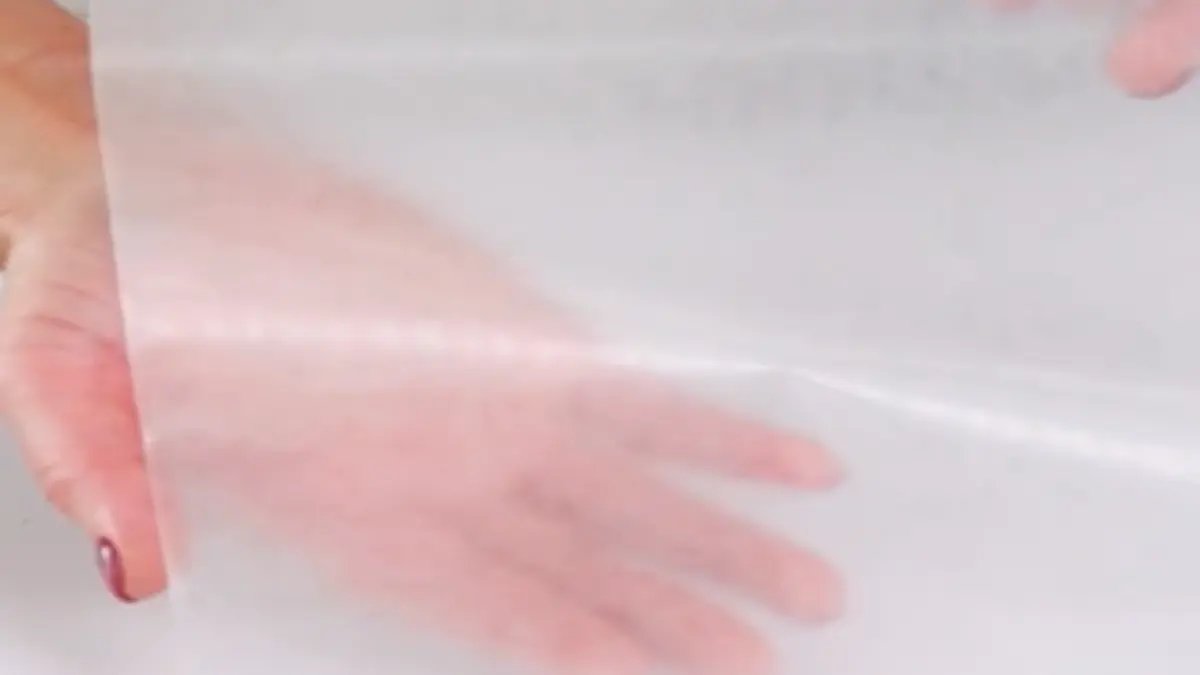
The Main Rule: While these two papers look similar and can sometimes be used interchangeably for cold tasks, they behave completely differently when exposed to heat. Only one of them is safe for cooking.
Wax Paper (Cold and Prep Work Only)
What It Is: Wax paper has a very thin coating of wax on both sides, making it non-stick and highly moisture-resistant.
Why It is Dangerous in Heat: The wax coating will melt at high temperatures, and the paper itself can easily catch fire in an oven. Because of this, you must never use it to line cake pans or baking sheets.
Best Uses:
Rolling out dough or pounding chicken breasts.
Lining countertops to catch drips while frosting or decorating desserts.
Wrapping cold sandwiches, cheese, or melting chocolate on a cold surface.
Parchment Paper (High-Heat Safe)
What It Is: Parchment paper is treated with silicone, which makes it moisture-resistant, non-stick, and capable of withstanding cooking temperatures up to 450°F.
Best Uses:
Lining cake pans and baking sheets to prevent sticking and make cleaning effortless.
Steaming delicate foods, like fish, in the oven (en papillote technique).
Note: It does not matter whether your parchment paper is white (bleached) or brown (unbleached); both function exactly the same way in recipes.
Shared Everyday Uses
Both types of paper work excellently for wrapping sandwiches and cheese.
Both can be placed on a counter to sift dry ingredients (like flour and baking powder) over them, allowing you to easily lift the paper and pour the ingredients directly into a mixing bowl.
For a complete beginner guide, read:Air Fryer Guide for Beginners