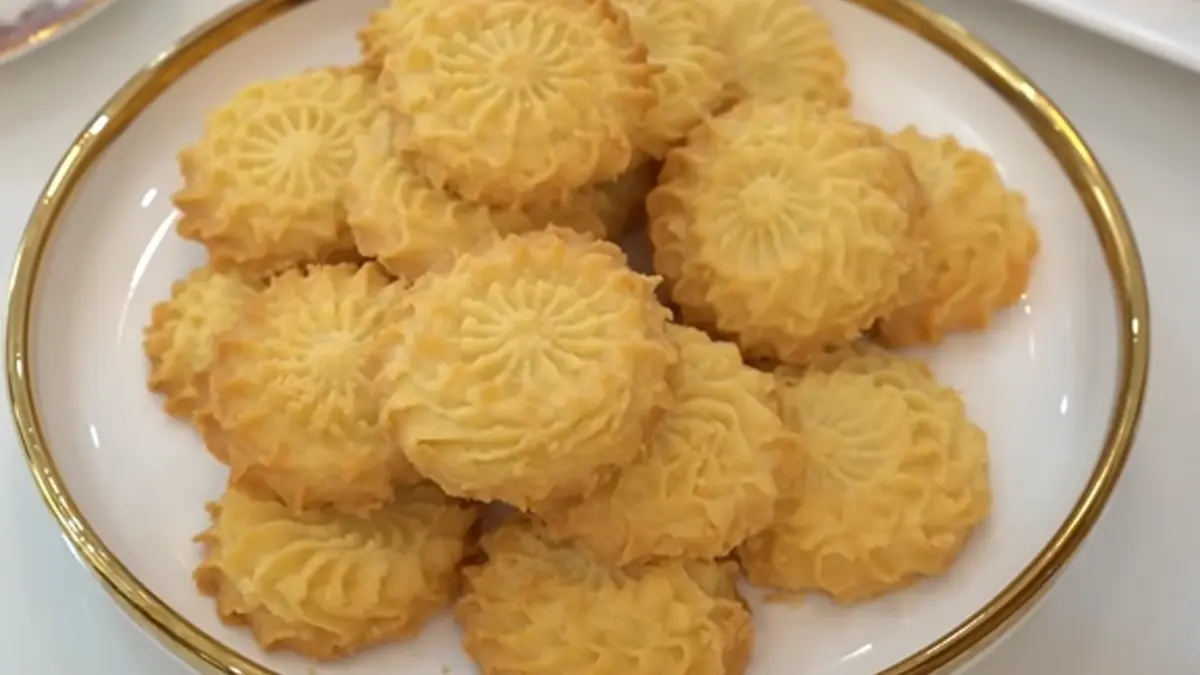
Mastering a classic bakery staple requires precision, technique, and an understanding of structural baker’s percentages. This refined butter cookie recipe delivers an exceptionally tender, melt-in-your-mouth crumb structure with optimal piping consistency. Elevate your pastry portfolio with this definitive butter cookie recipe that balances rich dairy notes with perfect geometric retention during baking.
Table of Contents
Ingredients Required for This Butter Cookie Recipe
For optimal accuracy, weight measurements in grams are highly recommended over volumetric cups.
- 226g (2 sticks) High-Quality Unsalted Butter, softened to exactly 65°F (18°C)
- 100g (approx. 1/2 cup) Powdered Sugar, sifted
- 1 Large Egg Room Temperature (~50g net weight)
- 5ml (1 tsp) Pure Vanilla Extract or Vanilla Bean Paste
- 260g (approx. 2 cups) All-Purpose Flour, sifted
- 2g (1/4 tsp) Fine Sea Salt
Step-by-Step Culinary Instructions
- Mise en Place: Ensure your eggs and butter are strictly at room temperature before starting. Cold fats will cause the emulsion to break when liquid is introduced.
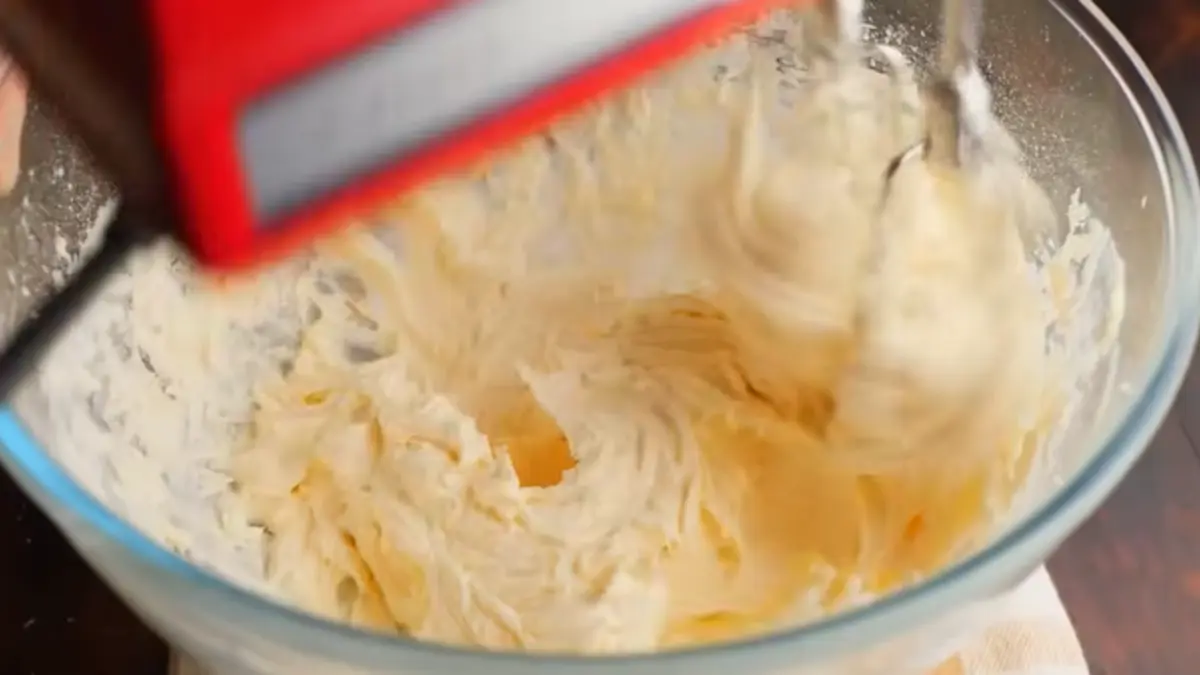
- The Creaming Stage: In a stand mixer fitted with the paddle attachment, beat the unsalted butter and sifted powdered sugar on medium speed for about 3 to 4 minutes. You are looking for a pale, aerated, and fluffy texture, which creates micro-air pockets crucial for a tender bite.
- Emulsification: Turn the mixer to low. Slowly incorporate the room-temperature egg and vanilla extract. Beat until completely smooth and emulsified.
- Dry Ingredient Integration: Combine the flour and sea salt. Add to the wet mixture all at once. Mix on the lowest speed only until the flour disappears. Overworking the dough at this stage develops gluten, leading to a tough cookie rather than a delicate short texture.
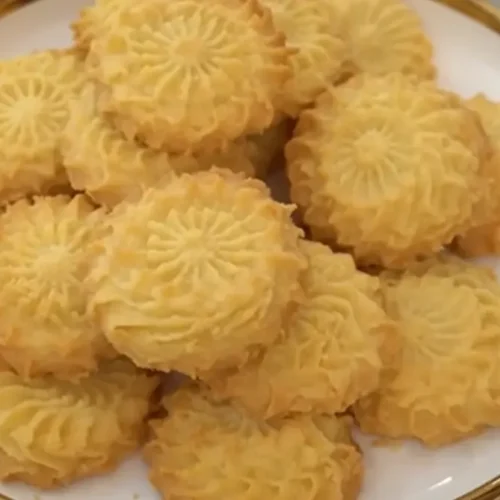
- Piping and Shaping: Transfer the dough immediately into a heavy-duty pastry bag fitted with a large open star tip (such as an Ateco 826 or Wilton 1M). Pipe rosettes or ridges onto a baking sheet lined with professional parchment paper.
- Thermal Shock Chilling: Place the piped baking sheet into the refrigerator for at least 20 to 30 minutes. Chilling solidifies the butter fats, which prevents the intricate piped designs from spreading and collapsing into flat puddles when hitting the oven heat.
- Baking: Preheat your convection oven to 350°F (175°C). Bake the chilled cookies for 12 to 15 minutes, or until the edges just begin to show a delicate, pale golden hue.
- Cooling: Allow the cookies to rest on the baking sheet for 5 minutes before transferring them to a wire cooling rack to set completely.
Professional Chef Tips for Execution
- Butter Fat Content Matters: Standard American butter contains roughly 80% butterfat. For a superior, melt-in-your-mouth crumb, opt for European-style butter which boasts 82% to 84% butterfat. The lower water content prevents excess gluten activation.
- The Powdered Sugar Secret: Avoid granulated sugar for this specific preparation. Powdered sugar contains a small amount of cornstarch, which interferes with gluten development and yields a significantly tighter, more elegant crumb structure.
Food Safety, Storage, and Reheating Rules
Proper handling of baked goods containing dairy and eggs is essential for maintaining shelf life and preventing foodborne illness.
- Storage: Once completely cooled to room temperature, store the cookies in an airtight container lined with parchment paper. They will remain perfectly crisp at room temperature for up to 7 days.
- Freezing: For long-term preservation, freeze the baked cookies in a single layer on a tray before transferring them to a vacuum-sealed bag. They can be frozen for up to 3 months.
- Reheating: To restore that fresh-out-of-the-bakery aroma, arrange the cookies on a sheet pan and warm them in a preheated oven at 300°F (150°C) for 4 to 5 minutes. Allow them to cool slightly to crisp up before serving.
- External Link Safety Reference: For comprehensive guidelines on safe food handling and raw egg management in baking environments, refer directly to the U.S. Food and Drug Administration (FDA) Food Safety Rules.
Frequently Asked Questions About This Butter Cookie Recipe
Q: Why did my butter cookies lose their piped shape and spread out flat in the oven? A: This happens when the butter fat is too warm before entering the oven, or if the dough was over-creamed, trapping too much air. Ensure you strictly follow the 20-minute chilling step prior to baking to solidify the fats.
Q: Can I substitute all-purpose flour with cake flour? A: Yes. Substituting cake flour will reduce the protein content further, yielding an even softer, ultra-delicate melt-in-your-mouth texture. However, the cookies will be significantly more fragile to handle.
Q: Why is my cookie dough too stiff to pipe through the pastry bag? A: If the ambient temperature in your kitchen is cold, or if your flour was scooped instead of weighed, the dough can stiffen. If this happens, wrap the pastry bag in a warm towel for a minute to gently soften the butter fats within the dough.
Conclusion
Perfecting this timeless butter cookie recipe requires meticulous attention to temperature control and ingredient weights. Once you master the delicate balance of fats and starches in this butter cookie recipe, it easily becomes a highly customizable canvas for custom chocolate dips, royal icing, or gourmet nut flour alterations.
Butter Cookie Recipe
Ingredients
- 226 g Unsalted Butter softened to 65°F (18°C)
- 100 g Powdered Sugar sifted
- 1 Large Egg room temperature (~50g)
- 5 ml Pure Vanilla Extract
- 260 g All-Purpose Flour sifted
- 2 g Fine Sea Salt
Instructions
- Mise en Place: Bring butter to 65°F (18°C) and egg to room temperature.
- Creaming: Cream the butter and sifted powdered sugar on medium speed for 3 to 4 minutes until pale and light.
- Emulsify: Lower speed, gradually add the egg and vanilla extract, and mix until smoothly integrated.
- Dry Blend: Add sifted flour and fine sea salt all at once. Mix on low speed just until the flour is absorbed. Do not overmix.
- Pipe: Place dough into a pastry bag fitted with an open star tip. Pipe rosettes onto a parchment-lined baking sheet.
- Chill: Refrigerate the piped cookies for 20 to 30 minutes to lock in the shapes.
- Bake: Bake in a preheated convection oven at 350°F (175°C) for 12 to 15 minutes until edges are barely golden.
- Cool: Rest on the baking sheet for 5 minutes, then move to a wire rack to finish cooling.