The secret to truly delicious chicken often lies in the rub. A great chicken rub is a carefully crafted blend of spices and seasonings that not only infuses the meat with flavor but also contributes to a beautiful, crispy skin and a professional finish. This isn’t just about sprinkling a few spices on; it’s an art and a science.
This ultimate guide to chicken rub is designed to be your definitive resource, helping you move beyond basic salt and pepper to create masterful flavor profiles. We’ll explore the essential components of a perfect rub, provide foundational recipes, and share expert tips to ensure your chicken is a show-stopping success, whether you’re grilling, roasting, or air frying.
The Science of a Great Chicken Rub
A chicken rub does more than just add flavor. It plays a crucial role in the cooking process, affecting texture, moisture, and browning. Understanding these principles is the first step to becoming a rub master.
The Maillard Reaction
This is the scientific name for the browning process that occurs when proteins and sugars are heated. A good rub, especially one with a touch of sugar, accelerates this reaction. The result is a richer, more complex flavor and a beautiful, caramelized crust on the chicken skin. The air fryer, with its high-speed heat, is particularly effective at amplifying this reaction.For more information on the science behind browning, refer to the National Library of Medicine article on the Maillard Reaction.
Moisture Control
A rub, particularly one with salt, draws moisture from the chicken’s surface. This might sound counterintuitive, but it’s key to crispy skin. The moisture is eventually reabsorbed, seasoned with the spices, leaving the surface drier and ready for crisping. This process is similar to a dry brine and is essential for preventing soggy skin.
Building a Flavorful Crust
The spices in the rub, when heated, toast and form a flavorful crust on the chicken. This crust protects the delicate meat underneath, helping it retain its juices and adding a layer of rich, savory flavor that a plain seasoning can’t match.
Anatomy of a Perfect Chicken Rub: The Essential Components
A great chicken rub is built on a few key pillars. By understanding the role of each component, you can create your own custom blends.
- The Base (Salt): Salt is the foundation of any good rub. It not only enhances flavor but also acts as a crucial tenderizer and drying agent, contributing to that desired crispy skin. Use a kosher or coarse salt for the best results.
- The Sweet (Sugar): A touch of sugar (brown or granulated) balances the salt and helps with browning and caramelization. Too much sugar can cause the rub to burn, so a subtle amount is key.
- The Spice (Chili Powder, Paprika, etc.): This is where you build the heat and color. Chili powder, cayenne pepper, and black pepper add warmth and a kick. Smoked paprika adds a beautiful red color and a smoky depth that is essential for many rubs.
- The Herb (Garlic, Onion, etc.): These components provide the aromatic backbone of the rub. Garlic powder, onion powder, dried oregano, and dried thyme are all excellent choices that add a savory complexity.
Foundational Chicken Rub Recipes
Starting with a few classic rub recipes is a great way to build your repertoire. Each one is versatile and can be used on all cuts of chicken.
Classic All-Purpose Rub
This is a simple, go-to rub that works on any chicken and for any cooking method. It’s a perfect blend of savory, salty, and sweet.
- 2 tbsp kosher salt
- 1 tbsp brown sugar
- 1 tbsp smoked paprika
- 1 tbsp garlic powder
- 1 tsp black pepper
- 1 tsp onion powder
- 1/2 tsp dried oregano
Fiery Cajun Rub
For a rub with a little more heat and a spicy kick, this Cajun blend is perfect. It’s great for grilling and air frying.
- 2 tbsp paprika
- 1 tbsp kosher salt
- 1 tbsp garlic powder
- 1 tbsp onion powder
- 1 tbsp black pepper
- 1 tsp cayenne pepper
- 1 tsp dried oregano
- 1 tsp dried thyme
Smoky BBQ Rub
This rub is ideal for barbecue chicken. It has a deeper, richer flavor and a hint of sweetness that caramelizes beautifully.
- 2 tbsp brown sugar
- 1 tbsp smoked paprika
- 1 tbsp chili powder
- 1 tbsp kosher salt
- 1 tsp garlic powder
- 1 tsp black pepper
- 1/2 tsp onion powder
- 1/4 tsp cayenne pepper
The Recipe: How to Apply a Dry Rub to Chicken
Applying a dry rub correctly is as important as the rub itself. Follow these steps for perfect, even coverage and maximum flavor.
Ingredients Chicken Rub
- Your chosen dry Chicken Rub recipe
- Chicken of choice (breast, thighs, wings, or a whole chicken)
- 1-2 tbsp oil (olive, avocado, or melted butter)
Instructions Chicken Rub
- Prepare the Chicken: Pat the chicken completely dry with paper towels, inside and out. Any moisture will prevent the rub from adhering and will result in soggy skin.
- Apply Oil: Lightly coat the chicken with a thin layer of olive oil or melted butter. This acts as a binder for the rub and helps with browning.
- Rub It In: Sprinkle the rub generously all over the chicken. Use your hands to rub the seasoning into every surface, ensuring an even and thorough coating. For a whole chicken, be sure to get it inside the cavity as well.

- Marinate (Optional): For a deeper flavor, you can let the chicken marinate with the rub for at least 30 minutes in the refrigerator, or even overnight. This allows the salt to work its magic and the flavors to penetrate the meat.
- Cook: Cook the chicken using your desired method (air fryer, grill, or oven).
Expert Tips for Using a Chicken Rub
Become a rub master with these expert insights that will elevate your chicken to a new level.
- Make Your Own Rub: Store-bought rubs can be convenient, but making your own allows you to control the quality of the ingredients, the level of salt, and the spice profile. Make a large batch and store it in an airtight container for future use.
- Don’t Fear Salt: Salt is your friend. A generous amount of salt in the rub not only enhances flavor but also helps to draw out moisture from the skin, a key step for crispiness.
- Watch the Sugar: Sugar is great for browning, but it can easily burn, especially in a high-heat environment like an air fryer or on a grill. If your rub has a lot of sugar, you may need to reduce the cooking temperature slightly.
- The Importance of Fresh Spices: Spices lose their potency over time. For the most flavorful rub, use fresh spices from a quality source. A good rub will have a strong, fragrant aroma.
- The Foil Trick (for Roasting): If you are roasting a whole chicken in the oven, covering the breast with foil for the first half of cooking can prevent it from drying out while the legs and thighs cook. The rub will still do its job, and you can remove the foil for the last half of cooking for browning.
Flavor Variations and Creative Combinations
The world of chicken rubs is vast. Don’t be afraid to experiment with different flavor profiles to match your culinary mood.
- Herby and Fresh: Add dried rosemary, dried thyme, or sage for a more classic, herbaceous flavor.
- Smoky and Spicy: Combine smoked paprika with chipotle powder for a deep, smoky heat. Add a pinch of cumin for an earthy flavor.
- Sweet and Tangy: Add brown sugar and a pinch of dry mustard for a sweet and tangy rub that’s perfect for a glazed finish.
- Asian-Inspired: Use ginger powder, garlic powder, five-spice powder, and a touch of white pepper for an Asian-inspired rub that’s great on chicken thighs.
Troubleshooting: Why Isn’t My Rub Sticking?
- Moisture: The chicken was not patted dry enough. Patting it dry is the first and most important step.
- Not Enough Binder: The rub needs something to stick to. A thin layer of oil or melted butter acts as a binder. If the rub isn’t sticking, you can lightly coat the chicken in a little more oil.
- The Chicken is Cold: A cold chicken from the refrigerator can make it harder for the rub to adhere. Letting the chicken rest at room temperature for 15-20 minutes before seasoning can help.
FAQ About Chicken Rub
How much rub should I use on chicken?
Can I use a rub on boneless, skinless chicken breast?
Can I make my own rub in advance?
What is the difference between a dry rub and a marinade?
What if my rub is too salty?
Can I use a rub on frozen chicken?
Conclusion: Chicken Rub
Mastering the art of a great chicken rub is a simple yet powerful skill that can transform your cooking. By understanding the key components, experimenting with different flavor profiles, and using the right techniques, you can ensure that every chicken you cook is a delicious, flavorful, and perfectly cooked masterpiece. So go ahead, mix up a rub, and get ready to enjoy the ultimate chicken!
Chicken Rub

This classic, all-purpose chicken rub is a simple yet powerful blend of spices that creates a savory, flavorful crust and helps ensure juicy, crispy chicken every time, whether you're grilling, roasting, or air frying.
- 2 tbsp kosher salt
- 1 tbsp brown sugar
- 1 tbsp smoked paprika
- 1 tbsp garlic powder
- 1 tsp black pepper
- 1 tsp onion powder
- 1/2 tsp dried oregano
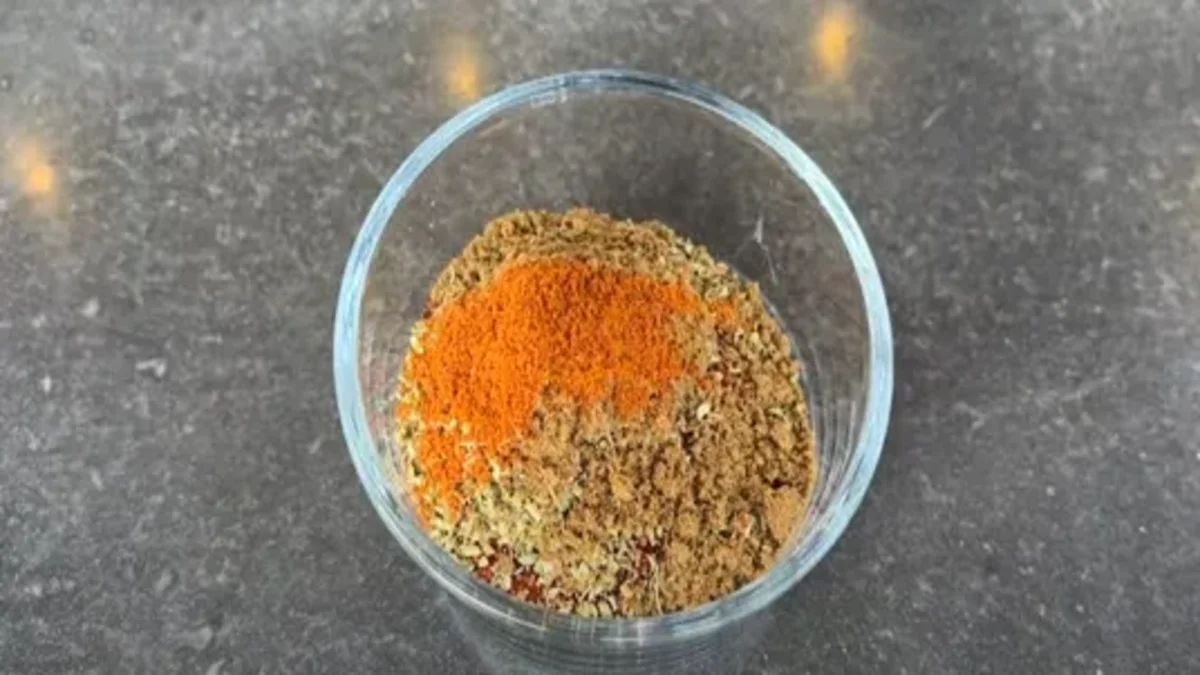
- Mix the Rub: In a small bowl, combine all ingredients. Use a whisk or spoon to mix thoroughly until the spices are evenly distributed.
- Store: Store the rub in an airtight container in a cool, dark place for up to 6 months.
-
For a spicier rub, add 1/2 teaspoon of cayenne pepper.
-
For a sweeter rub, increase the amount of brown sugar.
-
For the best results, pat your chicken completely dry before applying the rub.